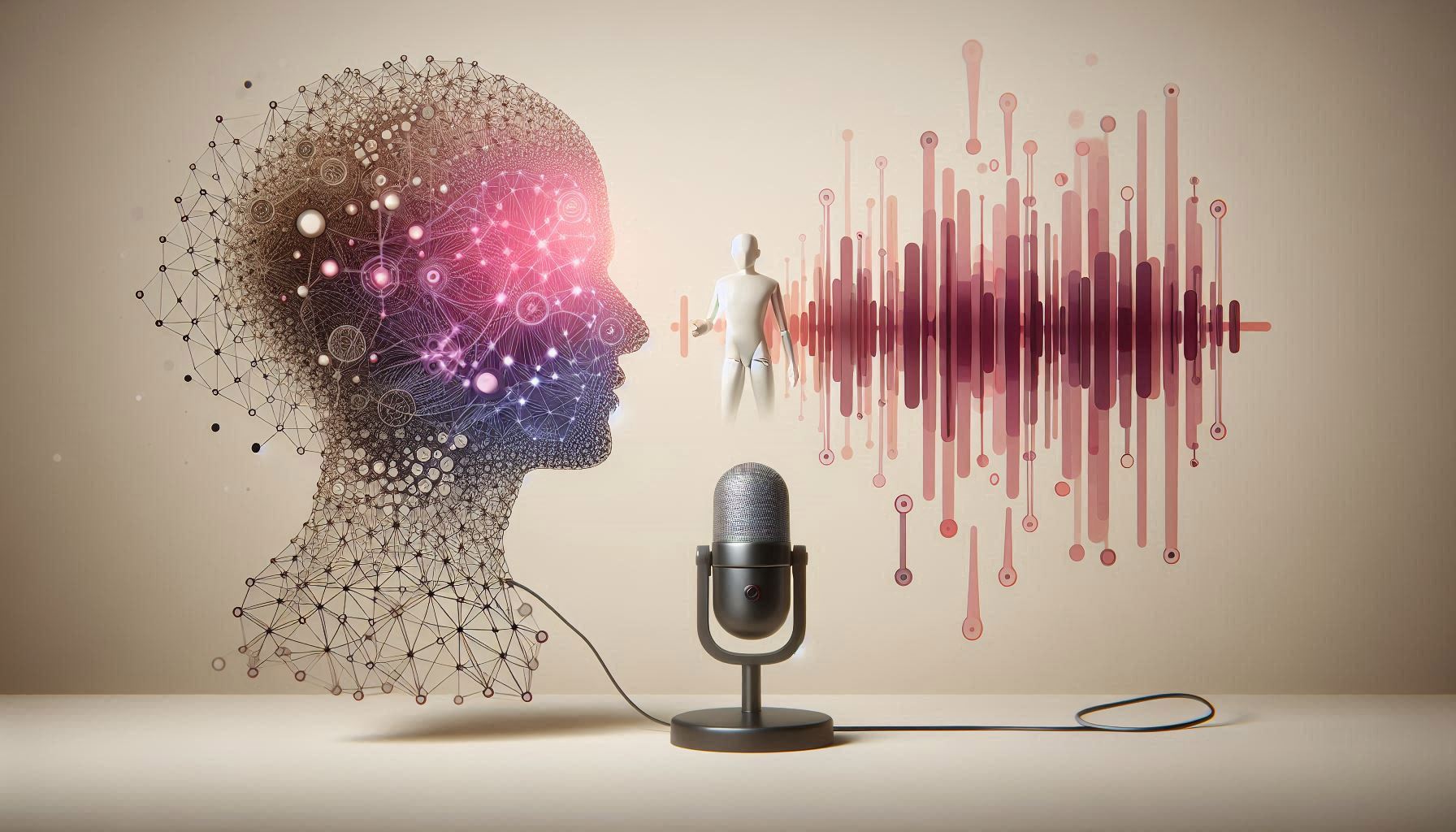
AI chatbots like ChatGPT and Google Gemini have become noticeable for how natural and human-like they sound — whether in text or voice form. According to experts, the key reason they seem so lifelike is that these models are trained on vast datasets of real human language. This allows them to mimic patterns, rhythms, and conversational styles that make interactions feel natural and familiar.
Rather than inventing speech or thought from scratch, these tools analyze how people actually communicate and use those patterns to generate responses that feel conversational, adaptive, and, in many cases, surprisingly nuanced.
How Language Models Learn to Sound Human
Large AI models like ChatGPT and Gemini are built on deep learning architectures that are trained on massive collections of text and speech patterns from books, articles, conversations, and other publicly available media. By analyzing this data, they learn statistical patterns about:
Word choice and grammar
Sentence structure and tone
Conversational cues like questions, pauses, and acknowledgments
These learned patterns allow the AI to predict what a natural response might look or sound like based on the input it receives. Because the underlying models are optimized to reduce error and match real-world usage, their outputs often align with how humans actually speak or write.
Why This Feels Natural
A few specific factors contribute to the sense of authenticity:
Pattern matching: AI responses reflect how humans use language in real contexts.
Large and diverse training sets: Exposure to varied styles makes responses adaptable.
Fine-tuning and reinforcement learning: Models are optimized to reward clarity, engagement, and responsiveness, which resemble human priorities in conversation.
This combination makes modern AI assistants feel not just grammatical but conversational — often anticipating follow-up questions or adjusting tone based on context.
What This Means for AI Users
The increasing naturalness of AI communication has practical implications:
Customer service and support: Users feel more comfortable engaging with AI when it sounds familiar.
Accessibility: Conversational AI helps people with disabilities interact with technology more easily.
Creative and educational tools: Human-like feedback enhances learning and creative partnerships.
At the same time, this realism raises questions about transparency and user expectations — especially when people may not be fully aware they’re interacting with a machine.