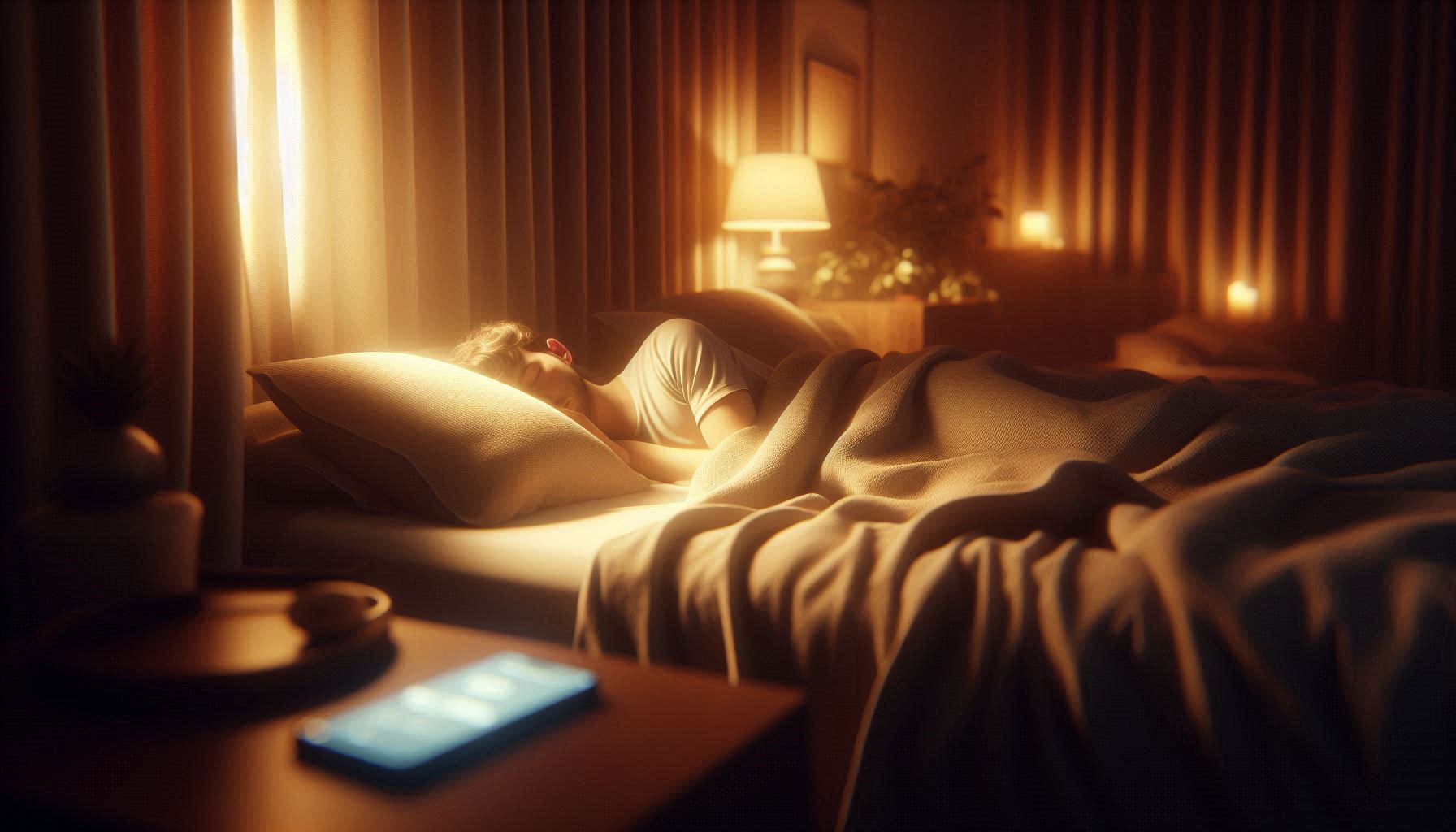
Keeping your mobile phone close to your head while you sleep is a habit many people never think twice about. It’s convenient — alarm clock, notifications, quick access. But doctors and sleep experts are increasingly cautioning that this practice can have negative effects on your sleep quality and overall health.
Even if hard scientific evidence on some long-term risks is still evolving, there are clear, practical reasons to reconsider letting your phone sit right beside your pillow. Light exposure, psychological stimulation, and even low-level electromagnetic exposure all play a role.
How Your Phone Can Disrupt Sleep
Blue Light Interferes With Your Body Clock
Smartphones emit blue light, which mimics daylight and can interfere with your body’s natural sleep–wake cycle. This light suppresses the hormone melatonin, which helps signal your brain that it’s time to sleep. Reduced melatonin can delay sleep onset and decrease sleep quality.
This effect is especially strong if you use your phone right before going to bed. Even brief screen exposure can trick your internal clock into thinking it’s still daytime, making it harder to fall asleep and stay asleep.
Mental Stimulation Keeps Your Brain Alert
It’s not just the light. Looking at messages, social media, videos, or emails before bed keeps your brain in active mode at a time when it should be winding down. This mental engagement can delay sleep, fragment your rest, and make you feel tired the next day.
Notifications and Vibrations Disrupt Deep Sleep
Even if you think you’re not using the phone, notifications, alerts, or vibrations can cause tiny sleep disruptions. These micro-wakes may not fully rouse you, but they keep your body from entering deep, restorative sleep cycles.
What About Radiation and Long-Term Exposure?
Phones emit low levels of radiofrequency (RF) energy when connected to wireless networks or Bluetooth. Some public health advisories have linked long-term close exposure to precautionary risk categories, and organizations like the WHO classify RF radiation as “possibly carcinogenic” — a category also used for everyday items like coffee.
However, it’s important to interpret that correctly:
-
Non-ionising radiation from phones does not have enough energy to damage DNA directly the way X-rays or UV light can.
-
No conclusive scientific proof shows that sleeping with a phone right next to your head directly causes cancer or major chronic disease.
-
Many experts view sleep disruption and circadian rhythm interference as the larger, more immediate concern.
Still, keeping your phone away from your head reduces any unnecessary exposure and helps with uninterrupted sleep.
Other Practical Risks
Heat and Battery Hazards
Phones can generate heat while charging or receiving data, and placing them on or under a pillow can restrict airflow, increasing the small risk of battery overheating or even fire hazards.
Habit Reinforcement and Sleep Delay
Having your phone very close increases the temptation to use it right before bed, which reinforces poor sleep habits and delays the exact rest period your body needs.
Better Sleep Habits to Adopt Tonight
-
Keep your phone across the room or on a shelf instead of on the pillow or bedside table.
-
Activate “Do Not Disturb” or night mode to avoid audio or vibration interruptions.
-
Set a screen curfew: Avoid screens for at least 30–60 minutes before bed.
-
Use a dedicated alarm clock instead of your phone to reduce dependence.
-
Charge your phone safely away from flammable surfaces like pillows or blankets.
These simple changes can help your brain and body transition to real sleep without constant digital stimulation.