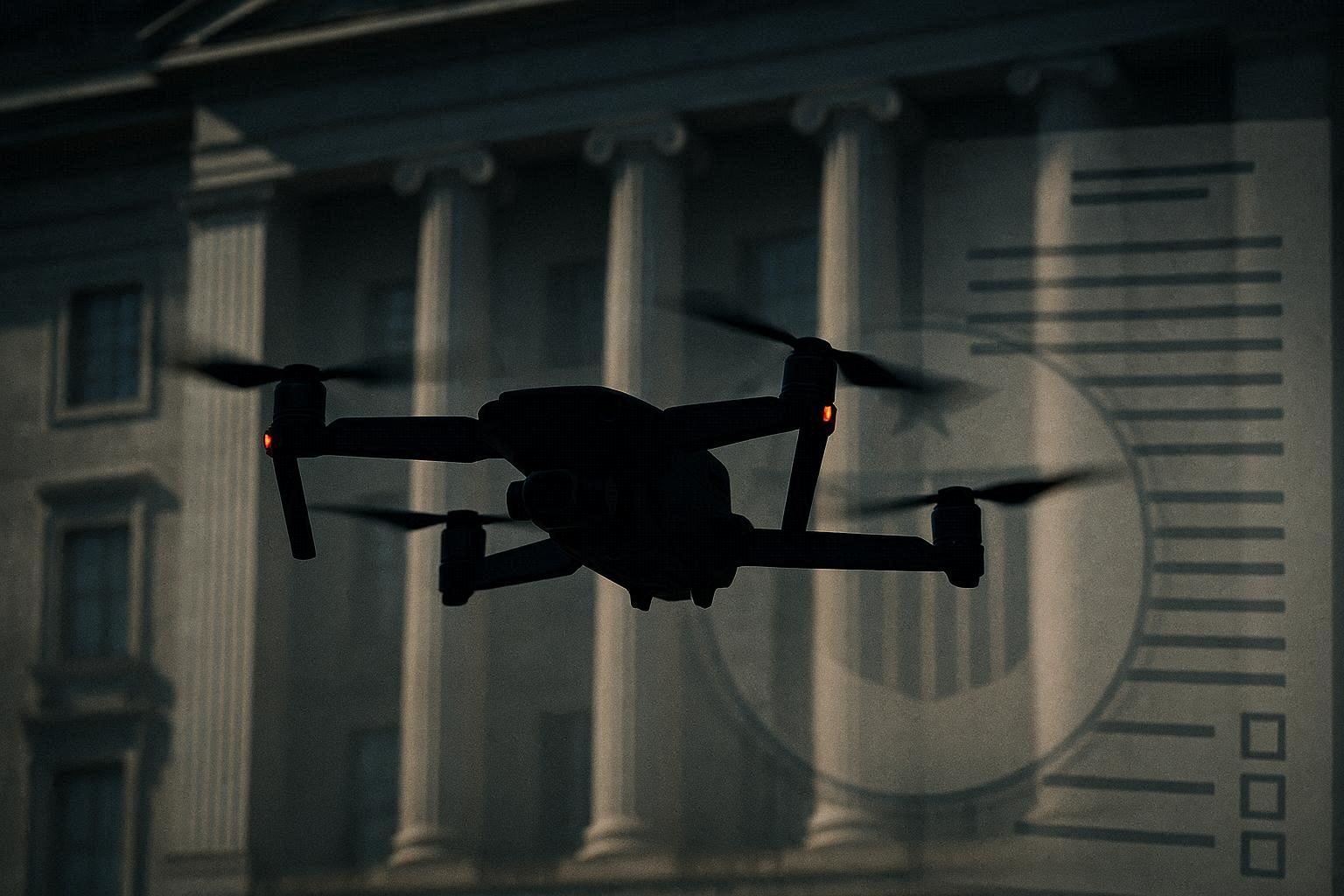
The U.S. Federal Communications Commission (FCC) has taken a decisive step in restricting the sale of foreign-made drones and critical components in the United States, a move that has unsettled many American drone pilots and the broader UAV industry. This new policy addition to the FCC’s Covered List targets drones and parts produced abroad, particularly models from Chinese manufacturers such as DJI and Autel — companies that together supply the majority of consumer and commercial drones in the U.S. market.
Officials say the shift is driven by national security concerns, especially with major global events on the horizon where airspace safety will be a priority. New foreign models and components will be blocked unless cleared by the Department of Defense or Department of Homeland Security, making future imports and sales of these drones unlikely.
What the Ban Actually Means
New Drones and Components Blocked
Under the FCC’s update, any new foreign-made drones or critical hardware components — including flight controllers, communications systems, navigation gear, cameras, batteries, and motors — cannot receive the required FCC equipment authorization needed for legal sale or import into the U.S. market. This effectively cuts off future generations of these products unless a specific national security exemption is granted.
Existing Drones Still Operable
Pilots can still use the drones they already own that were previously authorized by the FCC. Retailers are still allowed to sell products that have earlier FCC approvals, and existing inventory remains legal to operate under current regulations. However, without access to new models or parts, many operators expect maintenance challenges over time.
Why This Matters
The U.S. drone community has grown significantly, with hundreds of thousands of commercial and hobbyist pilots relying heavily on foreign-designed UAVs for business and personal use. DJI alone is estimated to control a substantial share of the market, from filmmaking and agriculture to infrastructure inspection and emergency response.
Industry groups and pilots argue that domestic alternatives currently lag in performance, cost, and availability. Some are already stockpiling equipment and parts to address the changes, while others worry this move could limit innovation and competitiveness in the U.S. UAV ecosystem.
At the same time, proponents of the policy say it pushes the industry toward “drone dominance” through stronger domestic manufacturing and reduces reliance on foreign supply chains seen as potential security risks.
Broader Context
This regulatory action follows a December 2025 congressional deadline tied to the 2025 National Defense Authorization Act (NDAA), which required a national security review of foreign drone threats. With no definitive audit filed by that date, the FCC moved to add foreign drones and components to the Covered List, in line with statutory requirements.
The ban fits into a wider U.S. strategy that has already targeted other foreign tech categories over security concerns, such as telecom gear from specific global manufacturers.
What Drone Pilots Are Saying
Reactions from the drone community vary:
Commercial operators and hobbyists warn the lack of accessible, high-performance alternatives could hurt businesses and creative projects.
Many pilots point out that American-made drones tend to be more expensive and may lag in features, making adaptation a challenge.
Some users are buying spare parts and units in advance, preparing for a transition period with less choice in the market.