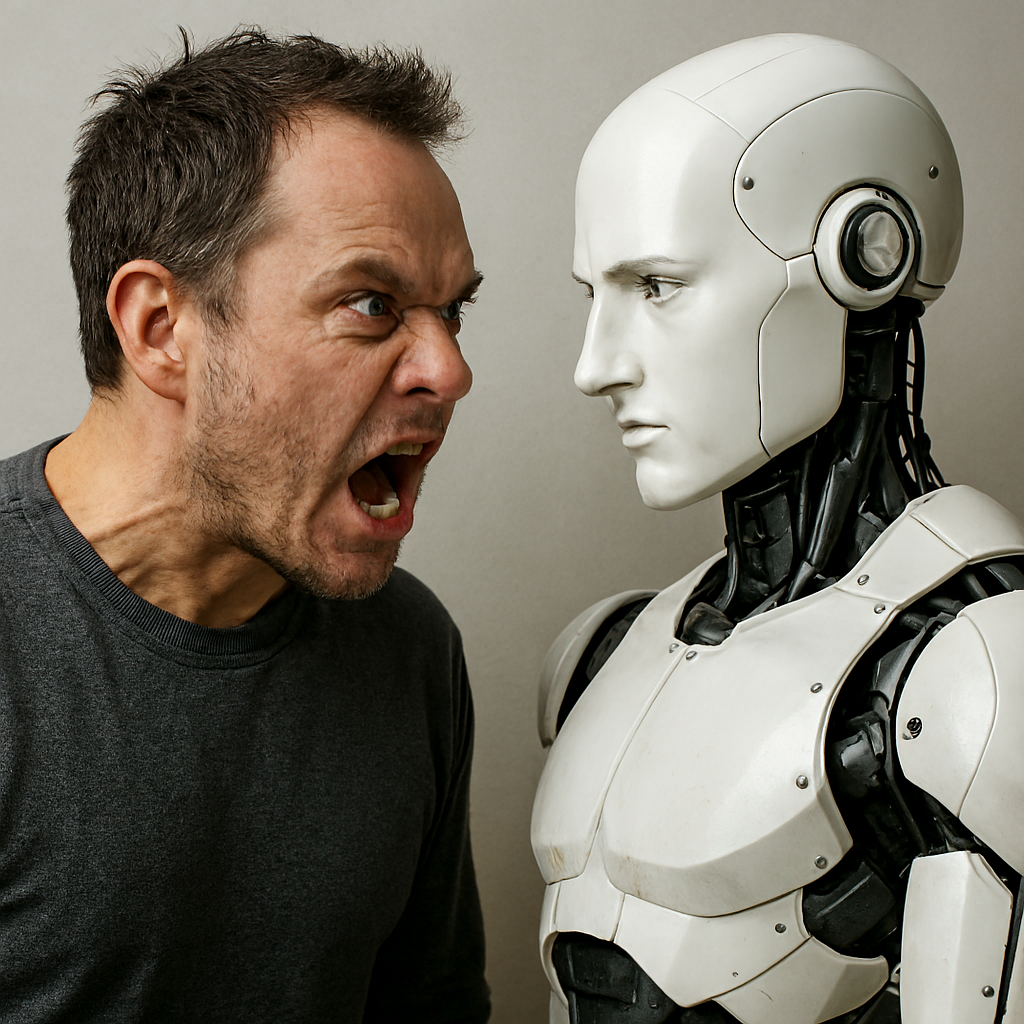
Rodney Brooks — the robotics pioneer and co-founder of iRobot, the company behind the iconic Roomba robot vacuum — has shared a stark warning about the future of humanoid robots. In a recent commentary, Brooks argues that the dream of humanlike robots performing everyday tasks like piano playing or sewing is rooted more in fantasy than engineering reality. His message serves as a rebuttal to ambitious visions from industry leaders such as Tesla CEO Elon Musk.
Brooks’ Main Argument: Human-Level Dexterity Is the Key Barrier
According to Brooks, the biggest limitation preventing robots from becoming truly humanlike lies in dexterity — the ability to perform fine motor tasks with precision. While modern robotics has made impressive advances in movement and perception, robots still lack a sophisticated sense of touch and manipulation comparable to the human body. This gap cannot be bridged simply by training machines on videos of humans doing tasks.
Brooks argues that video-based training and current machine learning approaches fall short because they do not capture the rich tactile data and nuanced force feedback humans rely on to interact with the physical world. As a result, robots trained this way can struggle with even basic tasks that require subtle touch and coordination.
What This Means for Robotics Research
Brooks’ critique highlights deeper challenges within the robotics community:
Touch and force sensing remain primitive: Robots cannot yet replicate the human hand’s ability to feel and adjust grip or pressure in real time.
Human-shaped designs are not always optimal: Brooks suggests that future robots may look very different from humans — perhaps using wheels, multiple arms, or alternative form factors that make more sense for specific tasks.
Real-world dexterity takes time: He predicts that it may take at least a decade or more before humanoid robots capable of general-purpose work become a reality.
Brooks’ focus on practical engineering challenges warns against overhyping humanoid robotics while underfunding research into fundamental physical interactions such as grip, balance, and tactile feedback.
Why This Matters — Even to Musk’s Vision
Elon Musk and Tesla have been among the most vocal proponents of humanoid robots — particularly with the Optimus project, which aims to build robots capable of performing household and industrial tasks. Musk has suggested that such robots could one day outperform humans at physical labor, potentially reshaping the economy. However, Brooks’ remarks suggest that the technology may not be ready for these lofty goals without breakthroughs in physical sensing, safety, and manipulation.
Even as companies continue to invest billions of dollars into humanoid robotics, Brooks urges a more measured approach — one grounded in engineering realities rather than optimistic speculation.