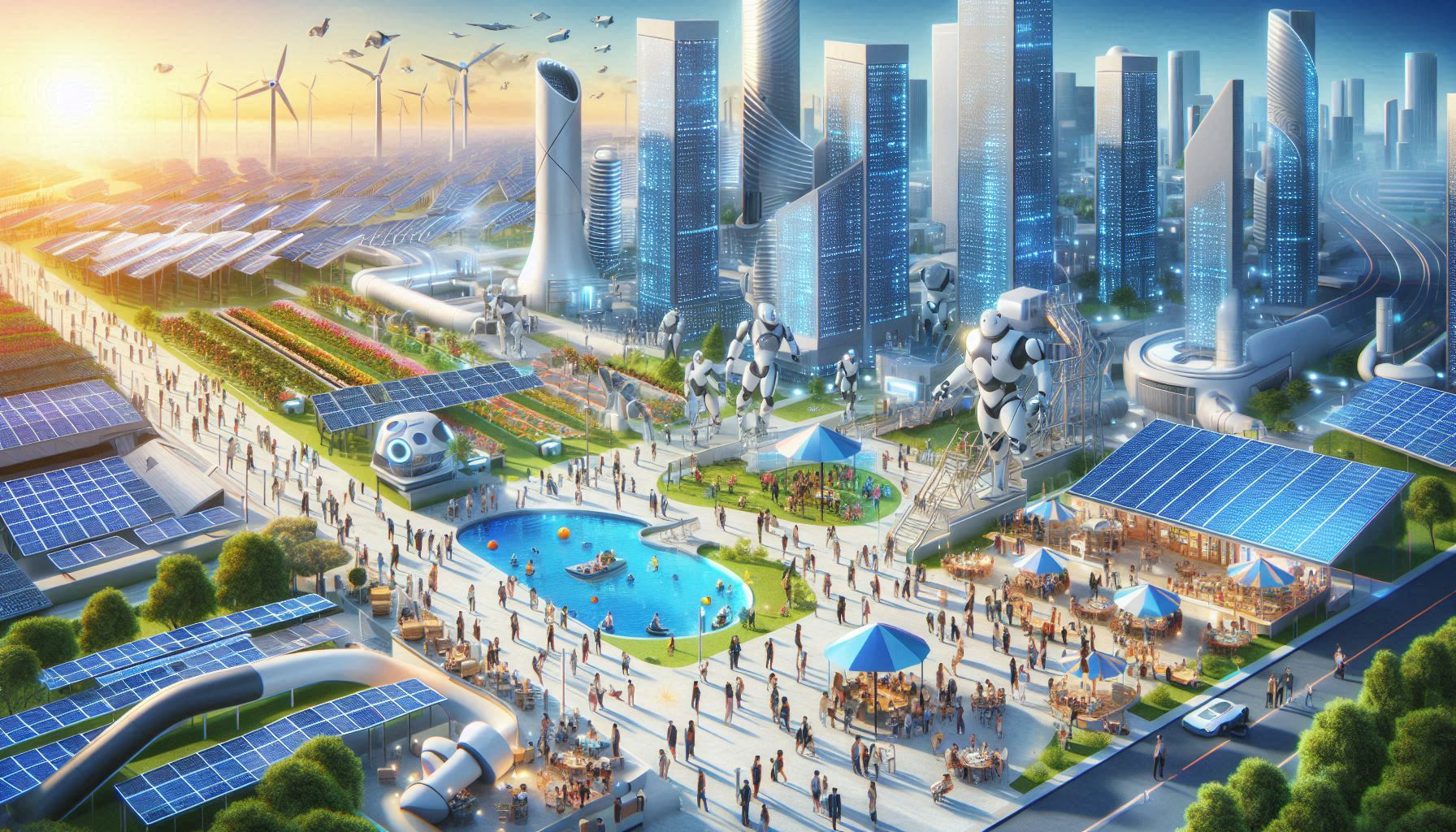
Elon Musk has shared his vision of a future where poverty no longer exists and people won’t need to save money. In a recent interview, Musk suggested that advances in technology — especially artificial intelligence, automation, and manufacturing innovation — could drastically lower the cost of goods and services, reshaping the global economy.
According to Musk, automation and efficiency gains could reduce the price of essential products and utilities to near zero, fundamentally changing how people think about earning, spending, and saving.
Musk’s Argument: Automation and Abundance
Musk argues that massive automation, AI, and advanced manufacturing will drive down production costs so dramatically that basic needs like food, energy, and shelter could become extremely inexpensive or effectively free. In this future, traditional saving for essentials could become obsolete because goods and services would no longer require large portions of individual income.
He likens this transition to previous technological revolutions that reshaped society but suggests the impact this time will be vastly broader — touching everything from personal finance to global supply chains.
What This Vision Implies for Money and Work
In Musk’s framework:
Traditional jobs may be less central to personal livelihood as machines handle most production tasks.
People might shift toward creative, entrepreneurial, or leisure pursuits rather than routine labor.
Economic systems could evolve beyond wage-based income as the primary means of accessing goods.
This view assumes that advances in AI, robotics, and distributed manufacturing will continue at pace and become widely accessible — factors that would be needed to sustain abundance rather than concentration of gains in the hands of a few.
Critiques and Considerations
While Musk’s prediction is optimistic, economists and social scientists note that technology alone doesn’t guarantee equitable outcomes. Historical patterns show that:
New technologies can create wealth and productivity gains, but benefits often accrue unevenly.
Policy, education, and social safety nets play a critical role in shaping whether technological progress lifts all communities.
Structural inequalities can persist without deliberate efforts to address them.
For Musk’s vision to materialize, broad systemic changes — beyond just technological innovation — would likely be necessary.