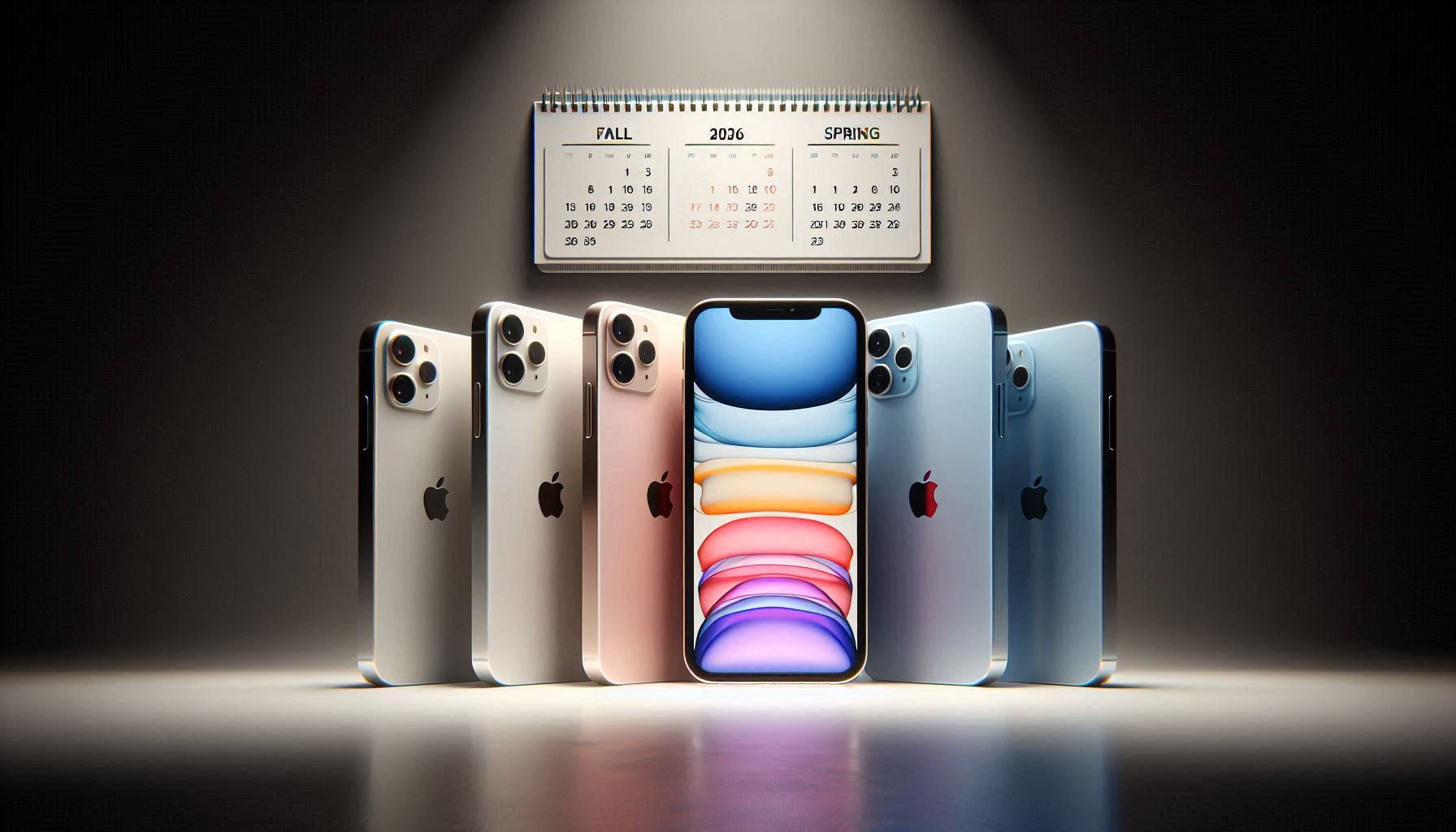
Recent industry reports suggest that Apple may not release the standard iPhone 18 in 2026, marking a notable shift in the company’s flagship phone strategy. Instead of launching all models together as it has for years, Apple appears to be splitting its iPhone 18 rollout into two separate windows — with premium models arriving in late 2026 and the regular base model following later.
This change would be the most significant iPhone release shake-up in nearly a decade and could reshape how Apple paces its product launches.
Why the iPhone 18 May Skip 2026
The new reports highlight a split launch strategy for Apple’s 2026–2027 iPhone lineup:
-
The iPhone 18 Pro and Pro Max, along with potentially a new foldable iPhone, are still expected to debut in fall 2026 at Apple’s usual September event.
-
The standard iPhone 18 and a more affordable iPhone 18e could be delayed and launched in spring 2027 instead.
This move would mark the first time Apple has separated the launch of flagship base models from the Pro lineup.
What This Means for Buyers and Fans
Here’s how it could affect you as a potential iPhone buyer:
1. Premium Models Still on Schedule
If you care most about the latest high-end features, the Pro lineup and possible foldable device are still likely to arrive in 2026.
2. Standard Model Delayed, Not Canceled
The iPhone 18 is not being canceled — it’s just not expected to hit shelves until the spring of 2027.
3. A New Release Pattern for Apple
Apple’s decision to move toward staggered launch windows may be a way to keep attention on multiple products across more months, rather than bundling everything into one big announcement event.
4. Influence on Upgrade Planning
If you were waiting for the base iPhone 18, this delay suggests either upgrading to a Pro model later this year or waiting until spring 2027 for the entry-level device.
Why Apple Might Be Making This Change
Analyst commentary and industry sources point to a few strategic reasons:
-
Expanding the lineup — Apple is reportedly working on a wider range of devices including Pro, Pro Max, foldable phones, and more, which could crowd a single launch event.
-
Marketing and product focus — Splitting launch windows lets Apple spotlight each segment more clearly.
-
Component and production planning — Early production runs and design maturation cycles may favor a phased rollout.
Apple’s iPhone release cadence hasn’t changed much since the iPhone 4S era, so this marks a meaningful shift in strategy.